
Exploring the Benefits of Montessori Toys

Montessori toys are designed to support a child’s natural development. They encourage learning through play. These toys focus on simplicity, quality, and purpose. I have found that using Montessori toys helps children develop skills in a calm and focused way. This article explains the key benefits of Montessori toys and how they can support your child’s growth.
What Are Montessori Toys?
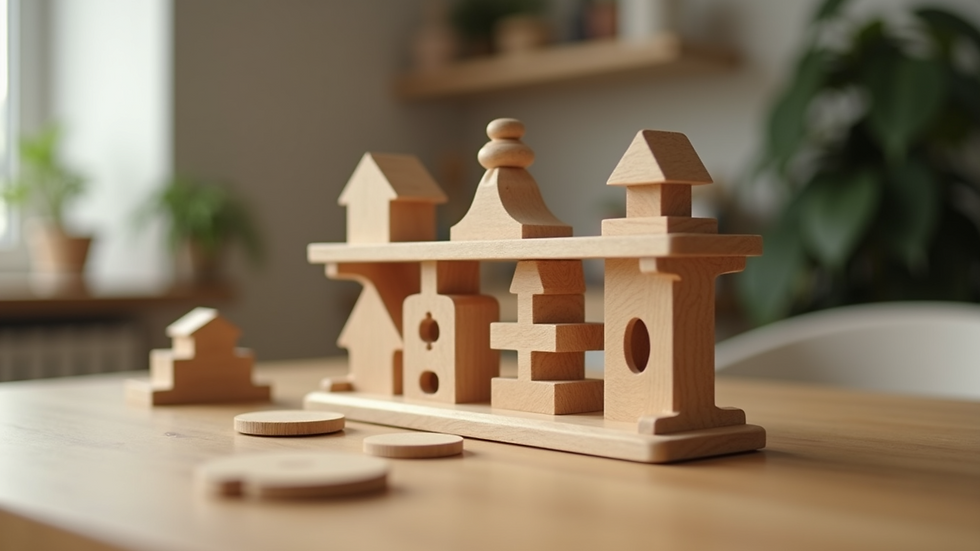
Montessori toys are educational tools made to promote hands-on learning. They are often made from natural materials like wood. The design is simple and avoids bright colours or loud sounds. This helps children concentrate on the task at hand. Montessori toys encourage children to explore and discover independently.
Examples include stacking blocks, shape sorters, and puzzles. These toys help develop fine motor skills, hand-eye coordination, and problem-solving abilities. They are also designed to be self-correcting, so children learn from their mistakes without adult intervention.

Benefits of Montessori Toys for Child Development
Montessori toys offer several benefits that support a child’s overall development. Here are some of the main advantages:
Promote independence: Children learn to play and solve problems on their own.
Enhance concentration: The simple design helps children focus longer.
Develop fine motor skills: Manipulating small objects improves hand strength and coordination.
Encourage creativity: Open-ended toys allow children to use their imagination.
Support sensory development: Natural materials provide varied textures and weights.
Build confidence: Self-correcting toys help children feel successful.
These benefits align with the Montessori philosophy of fostering a child’s natural curiosity and love of learning.
How Montessori Toys Support Learning
Montessori toys are not just for fun. They are tools that help children learn important skills. For example, a shape sorter teaches spatial awareness and problem-solving. A set of stacking rings helps with size recognition and hand-eye coordination.
The toys are designed to be used in a specific way but allow room for creativity. This balance helps children develop both logical thinking and imagination. The focus is on process rather than outcome. Children learn by doing, exploring, and repeating activities.
Using Montessori toys also encourages children to develop patience and persistence. They learn to try again if they do not succeed the first time. This builds resilience and a growth mindset.
Choosing the Right Montessori Toys
When selecting Montessori toys, quality and simplicity are key. Look for toys made from natural materials like wood or cotton. Avoid toys with too many colours or electronic features. The goal is to encourage focused play and exploration.
Consider the child’s age and developmental stage. Toys should be challenging but not frustrating. For babies, soft blocks or simple stacking toys work well. Toddlers may enjoy puzzles or sorting games. Preschoolers can use more complex toys that involve counting or matching.
It is also important to provide a safe and inviting play space. A low shelf or basket where children can easily access their toys encourages independence. Rotate toys regularly to keep the environment fresh and engaging.
For those interested, there are many options for montessori toys for sale that meet these criteria. Choosing thoughtfully curated toys supports intentional parenting and a child’s natural development.
Practical Tips for Using Montessori Toys at Home
To get the most from Montessori toys, consider these practical tips:
Create a calm environment: Minimise distractions during playtime.
Observe your child: Let them choose toys and activities that interest them.
Encourage repetition: Repeating tasks helps mastery and confidence.
Avoid overloading: Offer a few toys at a time to prevent overwhelm.
Join in when invited: Support your child’s play without taking control.
Use toys as learning tools: Talk about colours, shapes, and actions during play.
By following these steps, you can help your child develop skills naturally and joyfully.
Supporting Intentional Parenting with Montessori Toys
Montessori toys fit well with intentional parenting philosophies. They encourage respect for the child’s pace and interests. These toys help create a learning environment that values curiosity and independence.
Using Montessori toys also supports mindful parenting. It encourages parents to slow down and observe their child’s needs. This approach fosters a strong parent-child connection and promotes healthy development.
Choosing toys that align with Montessori principles shows a commitment to quality and purpose. It helps children build a solid foundation for lifelong learning.
Montessori toys offer clear benefits for children’s development. They promote independence, concentration, and creativity. By choosing the right toys and using them thoughtfully, parents can support their child’s natural growth. For those looking to explore these options, montessori toys for sale provide a great starting point. These toys help create a nurturing and educational play environment that benefits children now and in the future.


Comments